
Anúncios
Learning to dance no longer requires a studio membership or a weekly class schedule — a dance learning app can turn your living room into a practice floor anytime you want.
Dance apps have changed how people approach movement, rhythm, and choreography. Instead of memorizing steps from a teacher once a week, you can replay a tutorial dozens of times until your body gets it right.
This shift matters because consistency, not talent, is what actually builds dance skill. An app that fits into your daily routine beats an occasional class every time. 💃
Why a Dance App Works Better Than You’d Expect#
Most beginners assume apps can’t replace a real instructor. That’s partly true — but the comparison misses the point. Apps aren’t meant to replace teachers; they’re meant to fill the gaps between lessons.


A 2023 survey by the International Dance Teachers Association found that 68% of adult dance students who used a companion app alongside in-person classes progressed faster than those who didn’t. The repetition factor is the key variable here.
- On-demand repetition: rewind a tricky move as many times as needed.
- Self-paced progress: no pressure to keep up with a group.
- Low-cost entry: most apps cost less than a single studio class per month.
- Private practice space: no mirrors, no audience, just you and the screen.
What Makes a Dance Learning App Actually Good#
Not every app delivers the same quality. Some rely on static video loops, while others use motion tracking to give real-time feedback on your posture and timing.
Look for apps that offer slow-motion breakdowns, multiple camera angles, and progress tracking. Those three features separate a genuinely useful tool from a glorified video playlist.
| Feature | Why It Matters |
|---|---|
| Motion detection | Gives feedback on accuracy, not just visual reference |
| Adjustable playback speed | Helps break down fast footwork into manageable parts |
| Style variety | Keeps motivation high by avoiding monotony |
| Offline mode | Lets you practice without relying on a stable connection |
Choosing the Right Dance Style to Start With#
Beginners often pick a style based on what looks impressive rather than what suits their body and goals. That’s a common mistake that leads to early frustration.
If your main goal is fitness, high-energy styles like hip-hop or Zumba-based routines burn more calories per session — roughly 400 to 600 calories per hour, according to Harvard Health Publishing estimates. If your goal is social dancing, salsa or bachata apps focus more on partner timing and lead-follow dynamics.
Matching App Features to Your Goals#
- Fitness-focused: look for calorie tracking and interval-based routines.
- Technique-focused: prioritize apps with slow-motion and angle-switching tools.
- Social dancing: choose apps with partner simulation or rhythm-matching games.
- Kids and beginners: gamified apps with points and levels keep engagement high.
How Much Practice Time Actually Produces Results#
There’s a persistent myth that you need hours of daily practice to see progress. In reality, consistency beats duration. Dance researchers at the University of Hertfordshire found that 20-minute daily sessions produced better retention of choreography than two-hour weekly sessions.
This is exactly where apps shine. A short, focused session using an app fits into a lunch break or a commute-free evening far more easily than a scheduled class across town.

Just Dance Now
Size10GB
PlatformAndroid/iOS
PriceFree
Information about size, installs, and rating may change as the app is updated in the official stores.
Building a Realistic Weekly Routine#
A sustainable routine doesn’t need to be complicated. Here’s a sample structure that works well for most beginners using a dance app three to four times a week:
- Monday: 15 minutes of warm-up and basic step drills.
- Wednesday: 20 minutes learning a new choreography segment.
- Friday: 25 minutes reviewing and combining previous segments.
- Sunday: free session — pick any routine for fun practice.
This pattern avoids burnout while still reinforcing muscle memory. Skipping a day occasionally won’t derail progress, but skipping entire weeks will.
Common Mistakes People Make with Dance Apps#
Many users download an app, do a few sessions, then stop after two weeks. The drop-off usually happens for predictable reasons that are easy to avoid once you recognize them.
Mistake One: Jumping to Advanced Routines Too Soon#
Skipping foundational steps feels tempting because advanced routines look more exciting. But without basic footwork, timing breaks down fast, leading to frustration and quitting.
Mistake Two: Ignoring Feedback Features#
Some apps include motion tracking or scoring systems that users completely ignore. These tools exist precisely to correct form — skipping them means missing the main benefit of digital learning.
Mistake Three: Treating It Like Passive Entertainment#
Watching a dance tutorial while lying on the couch doesn’t count as practice. Physical repetition, even in a small space, is what actually builds coordination and rhythm.
Comparing Free vs. Paid Dance App Features#
Free versions typically unlock a limited set of routines, while paid subscriptions open full libraries, advanced tracking, and exclusive content. Whether the upgrade is worth it depends on how seriously you’re pursuing the hobby.
| Aspect | Free Version | Paid Version |
|---|---|---|
| Routine library | 5-10 basic routines | 50+ routines across styles |
| Feedback tools | Limited or none | Motion tracking, scoring |
| Ads | Frequent interruptions | Ad-free experience |
| Offline access | Rarely available | Usually included |
For casual users, free versions are often enough to decide if dancing is a hobby worth pursuing. For anyone training toward a performance, event, or fitness goal, the paid tier pays for itself quickly.
Tracking Progress Without Getting Discouraged#
Dance progress isn’t always linear. Some weeks feel like huge breakthroughs; others feel stagnant. Recording short video clips of your practice sessions — even on your phone — helps you notice improvement that’s hard to see in the moment.
Compare a clip from week one to a clip from week six. The difference is usually more obvious on screen than it feels while you’re dancing. That small habit keeps motivation alive during slower progress phases. 🎥
Setting Realistic Milestones#
- Week 2: comfortably repeat a basic 8-count sequence without checking notes.
- Week 4: combine two sequences into a 16-count routine.
- Week 8: perform a full short routine from memory, start to finish.
- Week 12: adapt the routine with small personal style variations.
These checkpoints give structure to what might otherwise feel like an open-ended, vague process. Apps that include built-in milestone tracking make this even easier to follow.
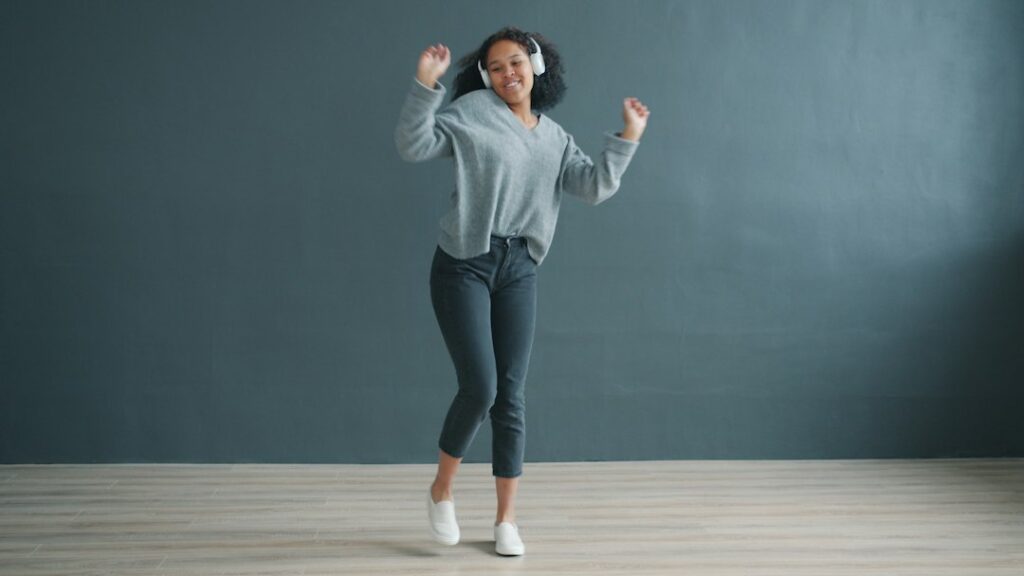
Making Dance Practice a Long-Term Habit#
The biggest advantage of using an app isn’t the content itself — it’s accessibility. Having a dance tutorial available in your pocket removes most of the common excuses: no time, no studio nearby, no partner available.
Pairing a short daily session with music you genuinely enjoy makes the habit stick far longer than forcing yourself through generic routines. The goal isn’t perfection in the first month. It’s showing up consistently enough that your body starts recognizing patterns on its own.
Whether you’re training for a wedding dance, building fitness, or simply chasing the joy of movement, a well-chosen dance app can carry you from your first awkward step to a routine you’re proud to perform. 🕺
Keep reading
You might also like
Loud Alarm Clock Apps That Actually Wake You Up
Struggling to wake up on time? A **loud alarm clock app** might be the simple fix your mornings have been missing. 🔔…

Best Apps to Watch TV on Your Mobile Device
Streaming apps have replaced cable boxes for millions of households, offering live channels, movies and on-demand shows through a single screen. Here's…