
Anúncios
Learning violin used to require a teacher standing beside you. Now an app for learning violin can guide your bow, ear, and timing anywhere. 🎻
Picking up a violin without a structured plan often leads to frustration. Sound quality suffers, posture habits go unchecked, and progress feels invisible.
That’s exactly where a well-designed practice app changes the game. It turns scattered attempts into a measurable path, with feedback that reacts to what you actually play.
Why Violin Apps Have Changed How Beginners Practice#
Traditional violin lessons cost between $40 and $100 per hour in most US cities. A monthly app subscription often runs $10 to $20, giving daily access instead of one weekly session.


Apps like Trala use real-time pitch detection through your phone’s microphone. The software listens to your bow stroke, compares it against the correct note, and shows instant visual feedback on tuning accuracy.
This matters because intonation — playing in tune — is the hardest skill for beginners to self-correct. Without a trained ear, most new players can’t tell they’re 20 cents flat on a note.
- Immediate pitch feedback instead of waiting for a weekly correction
- Daily short sessions (10-15 minutes) that build muscle memory faster than cramming
- Progress tracking showing which notes or rhythms need more repetition
- Lower cost barrier for families testing whether a child enjoys the instrument
What to Look for in a Violin Learning App#
Not every app on the market delivers real technical value. Some are glorified metronomes with a violin skin. Before choosing one, check these specific features.
Real-Time Audio Recognition#
The core function should analyze your actual sound, not just track whether you tapped a button. Look for apps that detect pitch within a few cents of accuracy and respond within milliseconds.
Structured Curriculum With Clear Levels#
A good app organizes lessons from open strings and basic bow holds through first position fingerings, simple scales, and eventually short pieces. Random exercises without progression waste practice time.
Posture and Bow Technique Guidance#
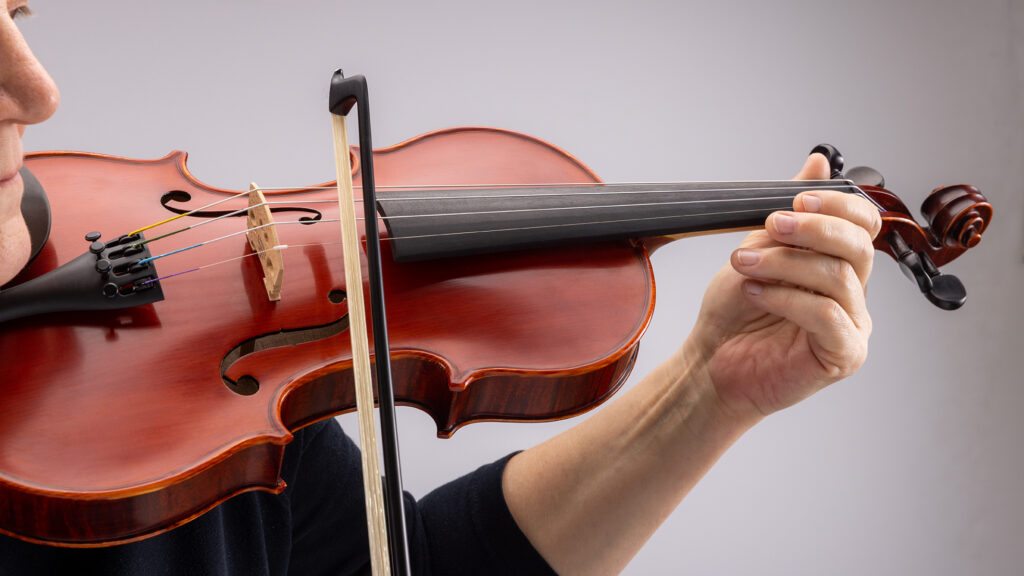
Some apps include video demonstrations comparing your bow angle or wrist position against a reference model. This is especially useful since bad habits formed early are hard to unlearn later.
Offline Practice Mode#
Not every student has reliable internet during practice time. Apps that cache lessons locally let you keep a routine going without connectivity issues.
Comparing Practice Methods: App vs Private Teacher vs Self-Taught#
Each method has trade-offs. The table below breaks down realistic expectations for a beginner over the first three months.
| Method | Cost (3 months) | Feedback Speed | Flexibility |
|---|---|---|---|
| Private Teacher (weekly) | $480 – $1,200 | Once per week | Fixed schedule |
| Violin Learning App | $30 – $60 | Instant, per note | Any time, any pace |
| Self-Taught (videos/books) | $0 – $50 | None, self-assessment only | Fully flexible, high error risk |
The smartest approach for most beginners combines two methods: an app for daily technical drilling, plus occasional check-ins with a teacher — in person or online — to catch posture mistakes software can’t fully see.
A Realistic 30-Day Practice Plan Using an App#
Consistency beats intensity when building violin skills. Here’s a sample structure many apps follow, broken into weekly blocks.
- Week 1: Bow hold, open strings (G, D, A, E), basic rhythm counting
- Week 2: First finger placements, simple two-note patterns, tuning drills
- Week 3: Three and four-finger patterns, first short melodies, bow control exercises
- Week 4: Combining notes into simple songs, tempo challenges, recorded playback review
Fifteen minutes daily during this period produces noticeably better results than a single 90-minute session once a week. Muscle memory needs frequent, short reinforcement.
Common Mistakes Beginners Make With Practice Apps#
Even with good software, certain habits slow progress down. Watch for these patterns in your own routine.
Skipping the Tuning Step#
Playing on an out-of-tune instrument trains your ear incorrectly from the start. Most apps include a built-in tuner — use it before every single session, no exceptions.
Rushing Past Exercises#
Marking a lesson “complete” without actually nailing the pitch accuracy defeats the purpose. Apps track accuracy percentages for a reason — aim for at least 85-90% before moving forward.
Ignoring Posture Reminders#
It’s tempting to focus only on sound and skip the physical setup prompts. Poor shoulder or wrist position now often causes pain or technical ceilings months later.
If you’re ready to try a structured, feedback-driven approach, the Trala app walks through exactly this kind of curriculum with live pitch tracking built in.

Violin by Trala â Learn violin
Installs500K+
Size184.6MB
PlatformAndroid/iOS
PriceFree
Information about size, installs, and rating may change as the app is updated in the official stores.
How Adults and Kids Benefit Differently From Violin Apps#
Age changes what matters most in a learning tool. Adults tend to prioritize efficiency and self-paced tracking; children often need more engagement and gamification to stay motivated.
For Adult Learners#
Working professionals rarely have a fixed hour each week for lessons. An app lets you practice at 6 AM or 11 PM, whatever fits. Progress charts also satisfy the analytical mindset many adults bring to new skills.
For Children and Teens#
Gamified elements — points, streaks, unlockable songs — keep younger users engaged longer than static sheet music. Parents also get visibility into practice consistency without sitting through every session.
Signs the App Approach Is Actually Working#
Progress with violin can feel slow because improvement happens in small increments. These are concrete indicators worth tracking over your first two months.
- Tuning accuracy scores trending upward week over week
- Reduced squeaking or scratchy tone on long bow strokes
- Ability to switch between strings without pausing to think
- Recognizing wrong notes by ear before the app flags them
When these signs show up consistently, it’s usually a good moment to add a teacher session or two — not to replace the app, but to refine details that only a human ear catches, like subtle bow pressure or vibrato timing.
Choosing Between Free and Paid Violin Apps#
Free versions typically unlock only the first few lessons or limit pitch detection accuracy. Paid tiers usually add full curriculum access, detailed progress analytics, and expanded song libraries.
For someone testing whether violin is the right instrument, starting free makes sense. Once you’ve practiced consistently for two or three weeks and want deeper structure, upgrading becomes worth the cost compared to a single private lesson.
Violin remains one of the harder instruments to self-teach because of its lack of frets and the precision intonation demands. But paired with real-time audio feedback, structured levels, and daily short sessions, learning without a weekly in-person teacher is genuinely realistic for most motivated beginners today.
Keep reading
You might also like
Best Remote Control Apps for Your Devices in 2024
Remote control apps turn your smartphone into a universal clicker for TVs, streaming boxes, air conditioners, and more — no extra hardware…
Best Remote Control App Solutions for Smart Devices
Turning your phone into a universal remote sounds simple, but picking the right **remote control app** can transform how you manage every…